

buy insulated glass
Level Factory A Cutting-Edge Approach to Optimizing Manufacturing Processes In an era defined by rapid technological advancements and increasing competition, manufacturers are continually seeking innovative solutions to optimize their production processes. One such solution is the concept of a Level Factory. This strategic approach leverages a combination of advanced technologies, lean manufacturing principles, and a focus on continuous improvement to enhance efficiency, improve product quality, and reduce waste. Understanding the Level Factory Concept At its core, a Level Factory refers to a production environment where processes are standardized and harmonized to achieve a consistent flow of goods. The goal is to create a balanced system where production rates are synchronized with demand, reducing fluctuations that can lead to overproduction or underutilization of resources. This alignment not only improves efficiency but also enhances the overall responsiveness of the manufacturing operation. The concept is heavily influenced by lean manufacturing principles, which emphasize the elimination of waste in all forms. In a Level Factory, waste is identified and addressed systematically, whether it’s excess inventory, unnecessary movement, or waiting times. By creating a more streamlined production process, manufacturers can achieve higher throughput without compromising quality. The Role of Technology Embracing technology is a crucial aspect of establishing a Level Factory. Advanced manufacturing technologies such as automation, robotics, and data analytics play a significant role in optimizing production processes. Automated systems can perform repetitive tasks with precision, reducing the likelihood of human error and increasing output rates. Additionally, the integration of Internet of Things (IoT) devices allows for real-time monitoring of equipment and processes, enabling manufacturers to identify bottlenecks and optimize operations on-the-fly. Data analytics also provides valuable insights into production trends and performance metrics. By analyzing historical data, manufacturers can make informed decisions about resource allocation, maintenance schedules, and production planning. This data-driven approach ensures that operations remain agile and adaptable to changing market demands. level factory Continuous Improvement Culture Another critical aspect of the Level Factory model is the emphasis on a culture of continuous improvement. Employees are encouraged to identify inefficiencies and propose solutions. This empowerment fosters a sense of ownership and accountability among team members, leading to innovative ideas that can drive process enhancements. Techniques such as Kaizen, which focuses on small, incremental changes, can be employed to cultivate this culture. Regular training programs ensure that all team members are equipped with the skills needed to contribute to the factory's optimization efforts. By investing in employee development, manufacturers not only enhance their workforce's capabilities but also boost morale and job satisfaction. A motivated team is more likely to buy into the company's vision and strive for excellence. Sustainability and Social Responsibility The Level Factory approach also aligns with the growing emphasis on sustainability and social responsibility in manufacturing. By minimizing waste and optimizing resource utilization, manufacturers can significantly reduce their environmental impact. Furthermore, a Level Factory can implement practices that promote ethical labor standards and community involvement, contributing to a positive corporate image. Consumers are increasingly inclined to support brands that prioritize sustainability and ethical practices. By adopting a Level Factory model, manufacturers can not only enhance their operational efficiency but also meet the rising expectations of socially conscious consumers. Conclusion The Level Factory represents a transformative approach to modern manufacturing. By integrating advanced technologies, fostering a culture of continuous improvement, and prioritizing sustainability, manufacturers can achieve significant gains in efficiency and product quality. In a dynamic market landscape, the ability to adapt swiftly to changing demands while minimizing waste is a competitive advantage that no manufacturer can afford to overlook. As the industry continues to evolve, embracing the principles of the Level Factory will undoubtedly be a critical factor in achieving long-term success.
about
buy insulated glass
Understanding the Pricing of 12% Gate Valves Gate valves are essential components in various industrial applications, particularly where a straight-line flow of fluid is necessary. They are designed to either allow or restrict the flow and are primarily used in systems that require a fully open or fully closed position. Among the various types of gate valves available, those with a specialized design, such as the 12% gate valve, have garnered attention for their unique features. What is a 12% Gate Valve? The term 12% gate valve typically refers to a specific design or performance specification of a gate valve that allows a 12% opening during operation. This feature can be particularly important in systems where precise control of flow is necessary, as well as in applications requiring significant pressure regulation. The design of these valves ensures durability and reliable performance, making them suitable for a variety of industrial settings, including water treatment facilities, chemical processing plants, and oil and gas operations. Factors Influencing Price When considering the price of a 12% gate valve, several factors come into play 1. Material of Construction 12% gate valves can be made from various materials, including stainless steel, brass, cast iron, and PVC. The choice of material significantly affects the cost, with stainless steel typically being the most expensive due to its corrosion resistance and durability. 2. Size and Diameter The size of the valve also plays a crucial role in its pricing. Larger valves generally require more material and more complex manufacturing processes, leading to higher prices. 12 gate valve price 3. Manufacturing Standards Valves that meet specific industry standards or certifications (such as ANSI, API, or ASTM) usually come with a premium price tag. This factor ensures that the valve has undergone rigorous testing and complies with safety regulations. 4. Design Complexity A more complex design may involve additional engineering and manufacturing costs. Features such as automated controls, special sealing mechanisms, or customized fittings can increase the overall price. 5. Market Demand and Supply The dynamics of market demand and supply can heavily influence pricing. For example, during times of increased industrial activity or supply chain disruptions, prices may rise due to high demand. 6. Brand Value Established manufacturers with a reputation for quality often charge more for their products. While it may be tempting to opt for cheaper alternatives, investing in a reputable brand can lead to better long-term performance and reliability. Typical Price Range While prices can vary widely based on the factors mentioned above, a standard 12% gate valve may generally fall within the price range of $50 to $500. Custom-designed or larger models could exceed this range, making it essential for buyers to assess their specific requirements before making a purchase. Conclusion In summary, understanding the price of a 12% gate valve involves evaluating various factors such as material, size, design, and market conditions. While determining the best option may require careful consideration of these elements, investing in high-quality valves is crucial for ensuring efficiency, reliability, and longevity in fluid control applications. By doing thorough research and selecting the right valve for your needs, you can optimize both performance and cost-effectiveness in your operations.
-

High quality industrial productsagement

High quality industrial products
View Details -

Meet the diverse needs of customers

Meet the diverse needs of customers
View Details -

Strict quality control

Strict quality control
View Details -

Top raw materials

Top raw materials
View Details -

Trusted supplier

Trusted supplier
View Details
Our application



news and information
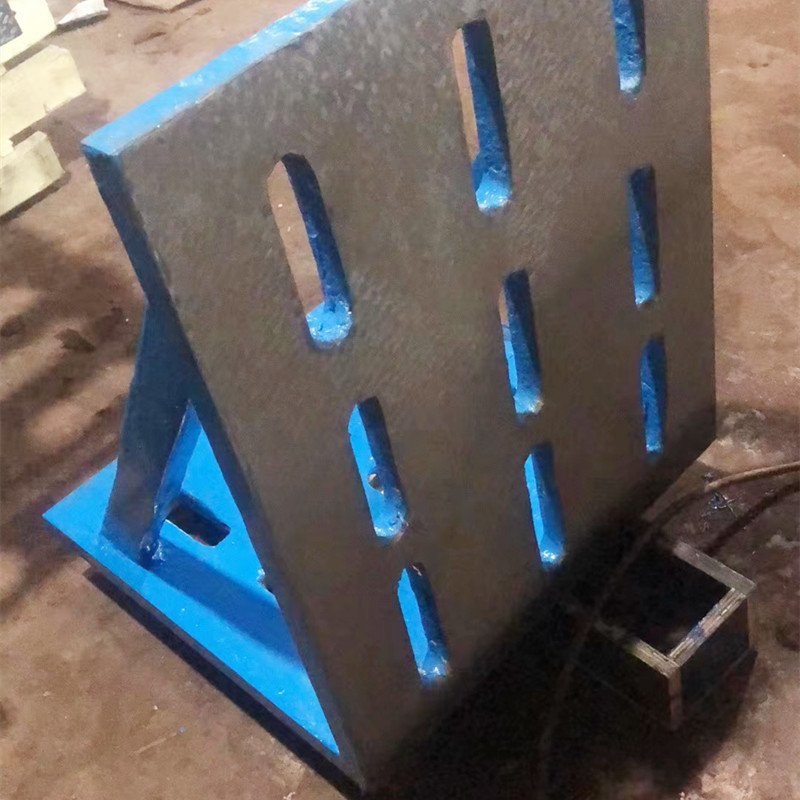
water valve replacement
Water Valve Replacement Ensuring Optimal Performance in Your Plumbing System Water valves play a cri
Water Pressure Regulation Using Check Valves for Efficient System Performance
Water Pressure Check Valves Importance, Functionality, and Maintenance Water pressure check valves a

ventil üçün yeni yanaşmalar və innovativ həllər axtarışı
Ağzı Xaraq İki Yoldaş Arasındakı Əhəmiyyətli Rol Ağzı xaraq, müasir sənaye və mühəndislikdə kritik b
 English